Climbing Knots
Knot Tying for Climbers
The ability to tie knots correctly is an essential skill for climbers and many others involved in extreme sports. Correctly tying in and anchoring is essential to the safety of the climber and his/her partners. An incorrectly tied climbing knot may lead to an unprotected fall. Several knots are commonly used in climbing, listed below. Reviewing and practicing them with a friend will help keep you sharp for the time a particular climbing knot is needed.
Climbing Knot vs Rope Strength
A key component of the climbing knot is the rope strength. The quality of the knot can actually influence the load your rope can withstand. Your skill in knot tying (how clean is your knot) will influence the breaking strength of a rope, and add to your safety while climbing.
Dress up the Climbing Knot
This refers to tightening and setting the knot in a way that the rope does not cross (twist) over itself within the knot; and refers to the knot being tightened evenly. Climbing knots should be uniformly tight and the rope should not twist within the knot. When the rope is twisted or the knot is unevenly tightened it puts stress on parts of the fibers and unintentionally weaken the rope.
Sport Climbing Knots

Figure-8 Knot Commonly used by sport climbers to secure the rope to the harness. The figure 8 knot can be tied in two ways. The steps to tie the knot depend on how you intend to use it. To tie the rope to a harness directly the rope needs to feed through the harness loop. If you need to connect the rope to a carabiner you can tie it using a different procedure.

The Stopper Knot The Stopper Knot is also called a double overhand knot. This knot is tied at the end of the climbing rope to stop the end from pulling through the rappel or belay device. It is also used with other knots to prevent the lose end from from pulling through and un-tying. The end of figure-8 and bowline knots should be secured with the stopper knot.

The Monkey's Fist The Monkey's Fist knot is used to add weight to the end of a rope so it can be thrown. This makes it possible to throw a rope much further than without the knot. The knot is easy and quick to tie. This knot has a good applications in climbing situations when you need to heave a rope ... over a ledge, over bushes, up to a routesetter, etc.

Tie a Slip Knot Slip knots are easy to tie. This type of climbing knot is used as a temporary tie for gear, second backup tie-in to an anchor, or quick utility knot. When one end of the rope is pulled the knot "slips" tight. When the other end of the rope is pulled the knot pulls out. The slip knot is useful because it is easy to tie and when tied correctly tightens on the anchor.

Overhand knot The Overhand knot, Double Overhand Knot, and Multiple Overhand Knots. Primarily used as stoppers at the ends of climbing ropes, however they are also used in the start of other knots such as the fisherman's knot.

Fisherman's Knot and the Double Fisherman's Knot Use it to tie two ropes together inline.

Prusik Knot The Prusik Knot is used to ascend a climbing rope with another rope.

Bowline Knot The bowline is one of two common knots for tying in to the climbing harness. This knot can be tied with one hand, making tying the bowline knot an attractive skill to have. It is easy to adjust and easy to untie. Note the loose end in the picture... this must be tied with a stopper knot to secure it. If this loose end is not tied with a stopper, the end may pull through which will cause it to untie.

Carrick Bend This knot is used to connect two ropes together. Has an easy pattern.

Water Knot The water knot is sometimes called the tape knot because it is commonly used in rock climbing to tie two runners together to make a sling. Can also be used as a knot to connect two ropes.

Square Knot and Granny Knot The Square Knot and Granny Knot are the most common, and easiest to tie.
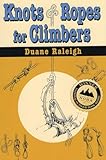
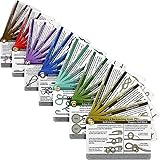
 This is an illustrated book providing sequences and examples for tying climbing knots. It covers all the common knots plus many other knots. The presentation uses clear color photos making it easy to understand and learn. Some of the knots are the Munter hitch, auto block, clove hitch, and figure eight. See them in use in the field along with how they are used with climbing equipment.
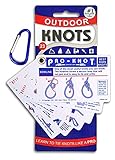
 Features easy to understand, and illustrated instructional knot-tying for the novice climber. It's a nice, pocket-size book, portable and easy-to-use, with clear photos throughout to assist with learning.